


 Home
Home
 About Us


 86 173 2728 8611


Angle Bar
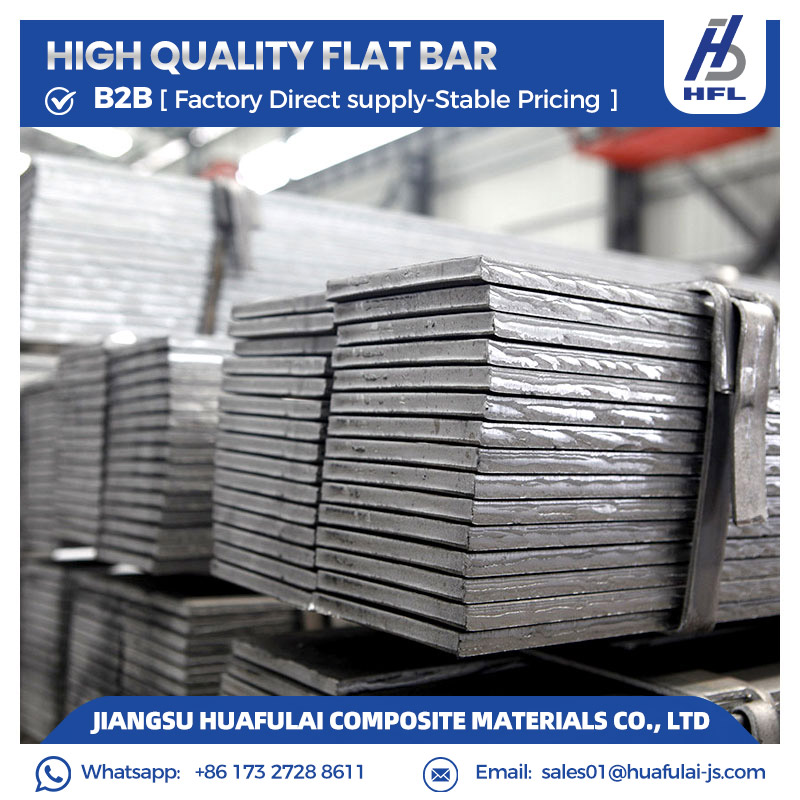
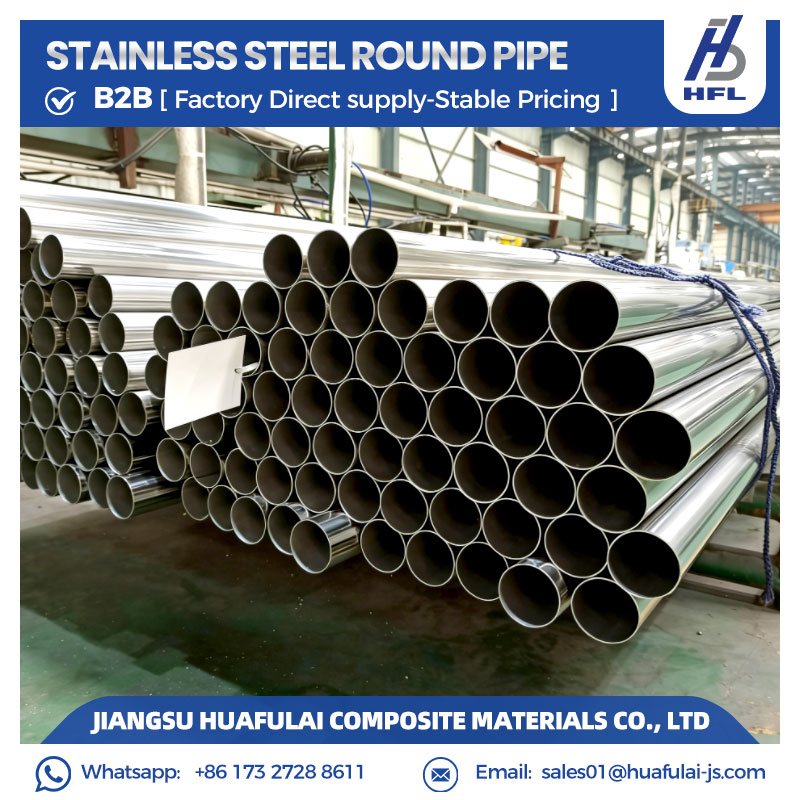
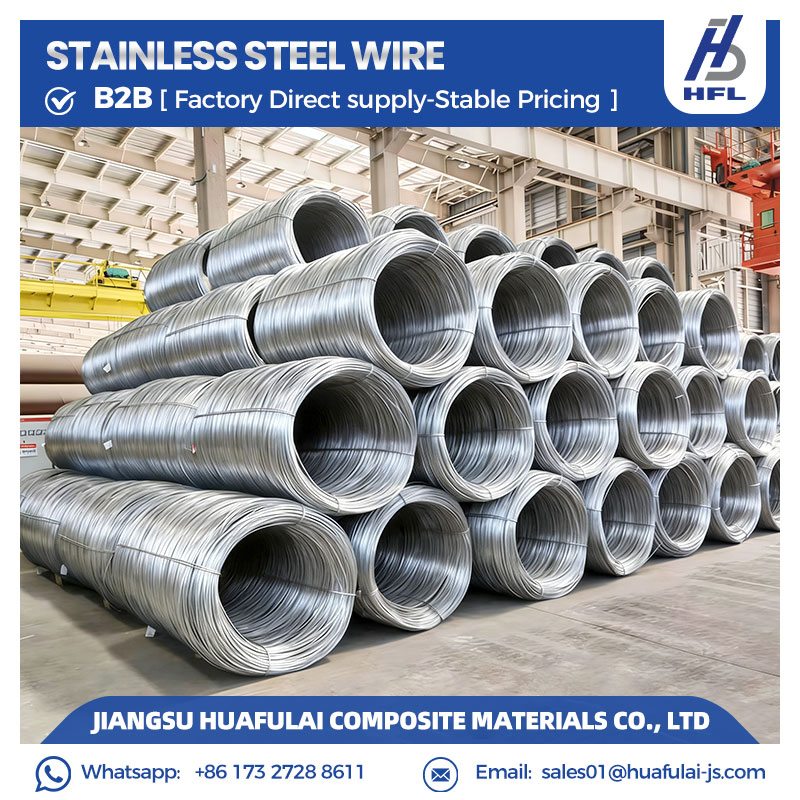
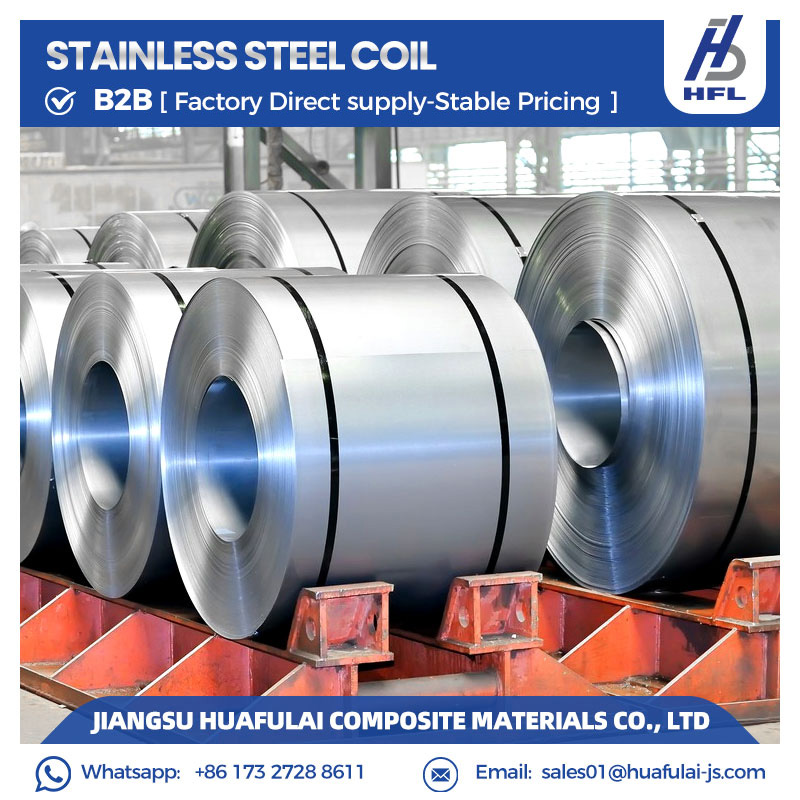
Angle Bar
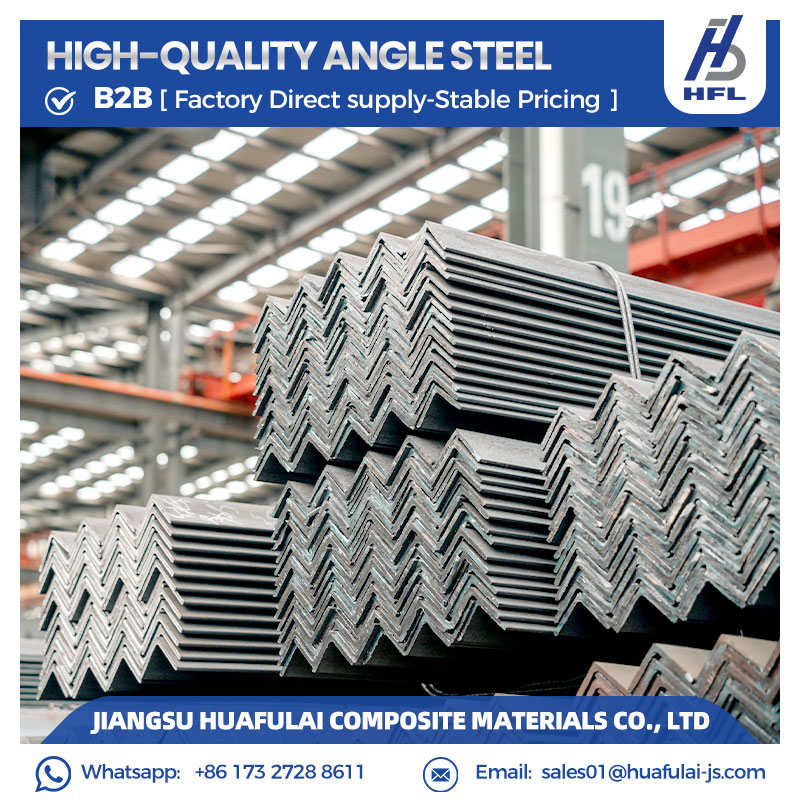
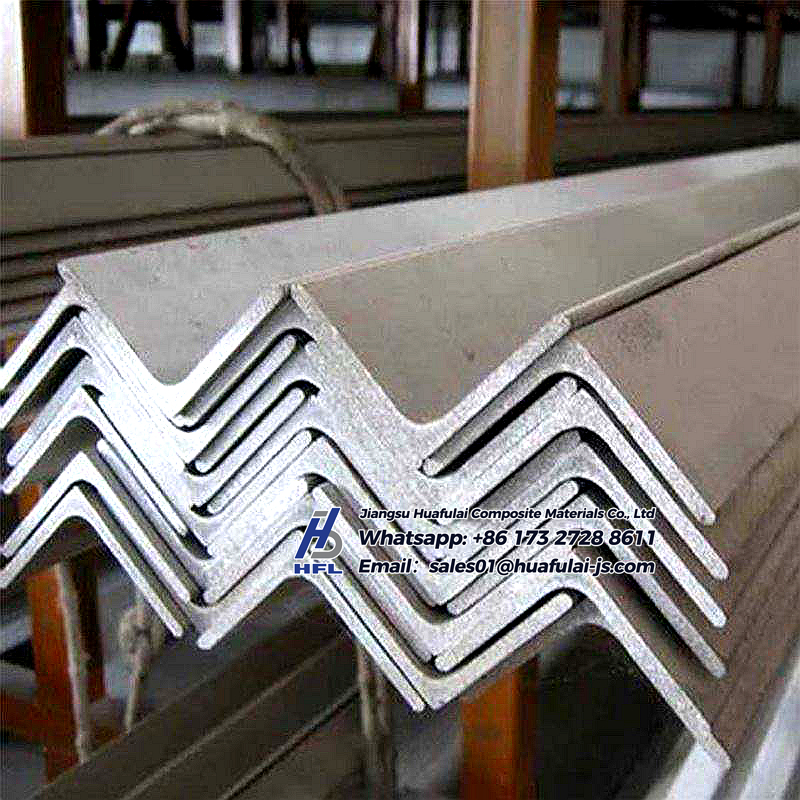
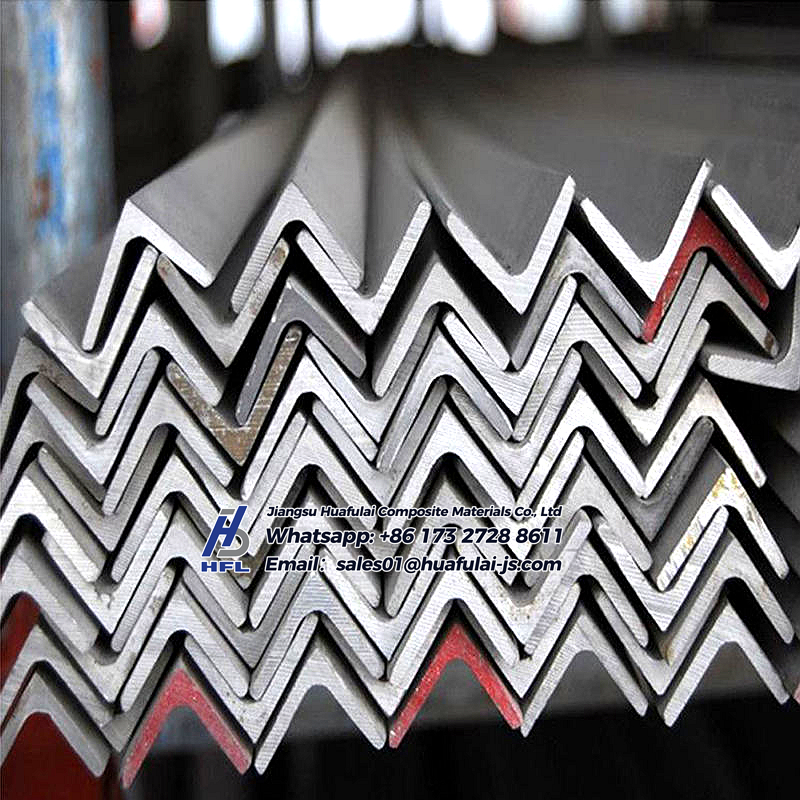
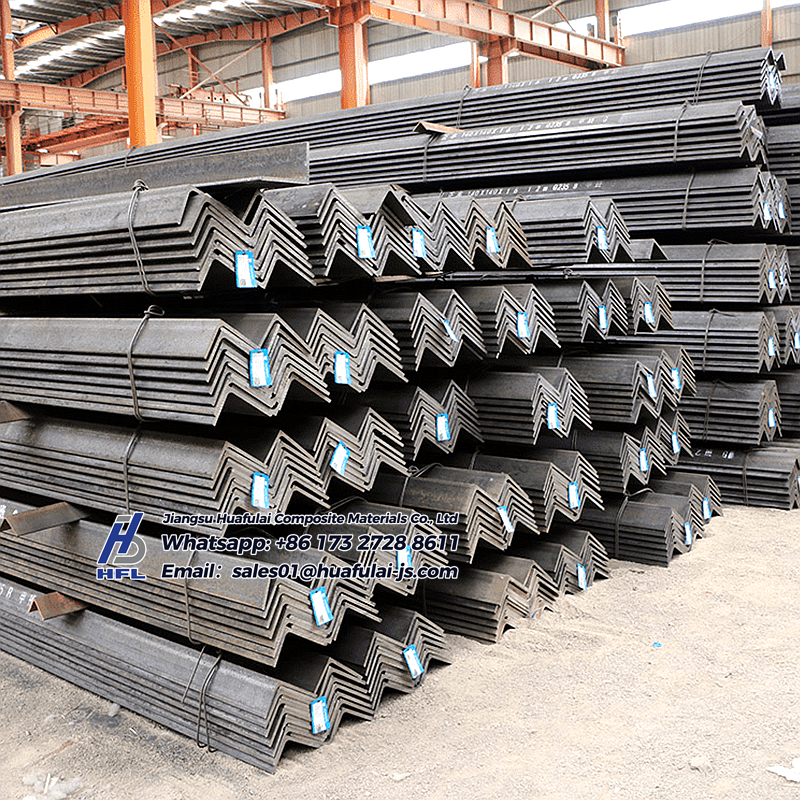
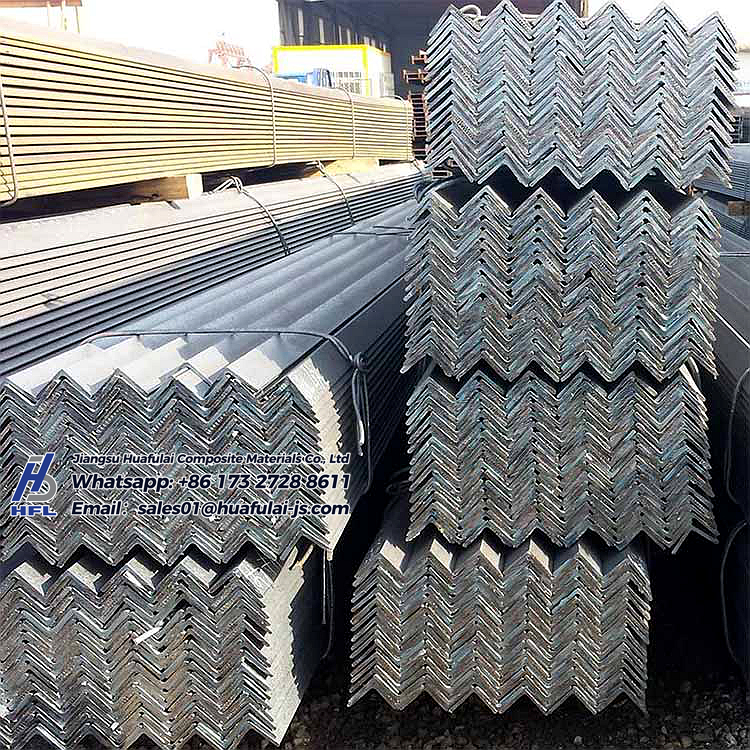
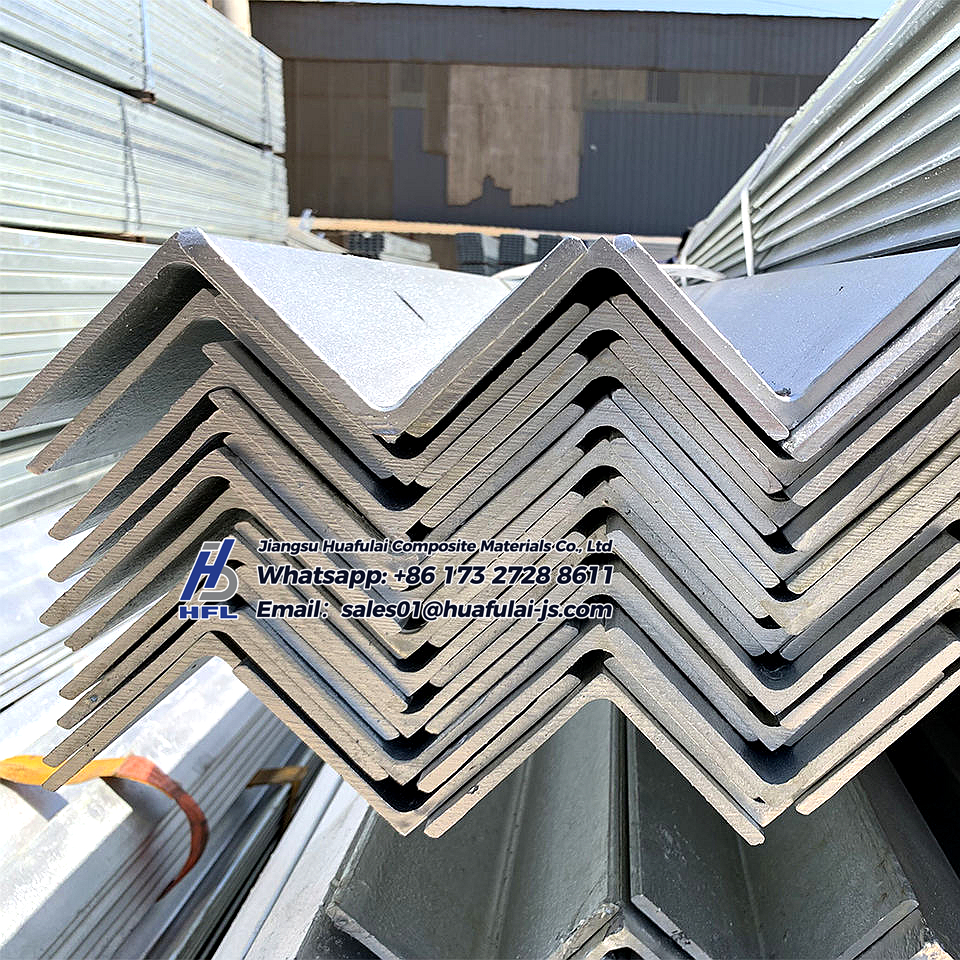
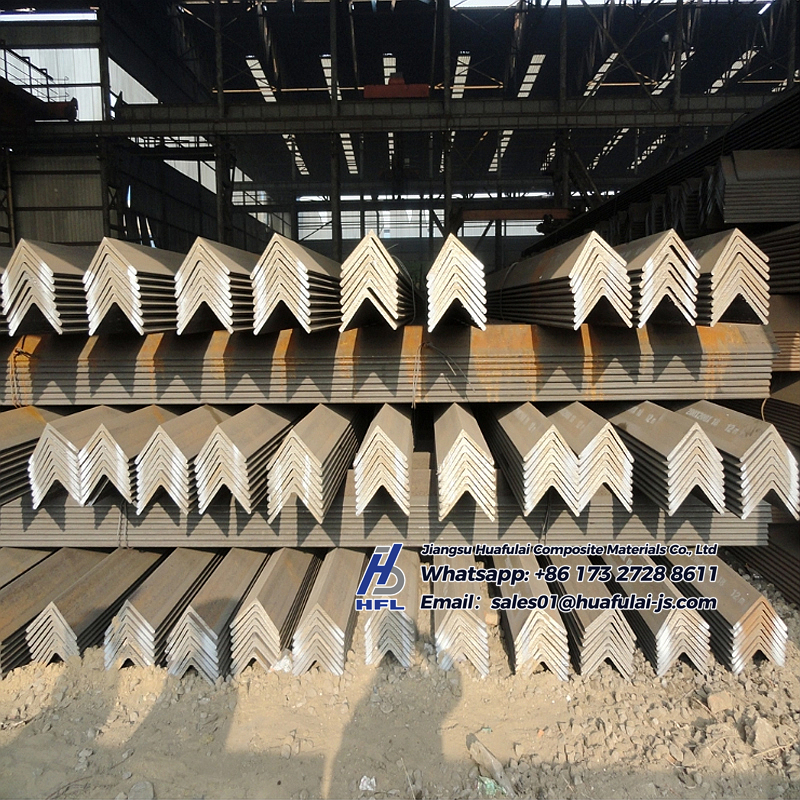
Angle steel, commonly known as angle iron, is a long strip of steel with two sides perpendicular to each other, forming an "L" shaped cross-section . As a fundamental carbon structural steel, it is widely used in building construction, bridges, transmission towers, and various engineering structures due to its excellent mechanical strength, weldability, and plastic deformation performance .
Our hot-rolled angle steel is manufactured using premium low-carbon square billets through advanced hot rolling processes, delivered in hot-rolled or normalized condition to ensure consistent quality and performance . Whether you need standard sections for general fabrication or specialized grades for demanding infrastructure projects, our product range provides the strength and versatility your applications require.
Main Types & Details
Grades | Q235, Q355, A36, S235JR, S355JR (custom grades available for specific projects) |
Material Type | Carbon Steel , Stainless Steel , Galvanized Steel |
Types | Equal Angle Steel (equal leg length) Unequal Angle Steel (unequal leg length) Hot-Rolled Angle Steel |
Standards | ASTM A36, EN 10025, GB/T 706 |
How to melt Angle Steel?
Angle steel is often used to make building structures, mechanical equipment, and other industrial purposes. It is usually made by mixing smelting steel and iron ore.
1.Raw material preparation: To make angle steel, you first need to prepare raw materials, including steel and iron ore. Steel is the main raw material for smelting angle steel, while iron ore is the source of iron.
2.Melting furnace: Put the prepared steel and iron ore into the smelting furnace. The smelting furnace is usually a high temperature and high pressure environment, which is used to heat the raw materials to the melting point and mix them together.
3.Adding alloys: During the smelting process, it is usually necessary to add some alloys to the smelting furnace. These alloys can change the properties of steel and make it more suitable for specific applications. Commonly used alloys include nickel, chromium, manganese, and vanadium.
4.Casting: Once the raw materials and alloys are fully mixed, casting can begin. At this stage, the molten metal is poured into the mold and allowed to cool and solidify.
5.Heat treatment and tempering: In order to improve the hardness and strength of angle steel, heat treatment and tempering are usually required. These processes include heating, cooling and solution treatment.
6.Surface treatment: Finally, the angle steel may need some surface treatment, such as rust removal, painting and coating.
In general, melting angle steel is a complex process that requires strict control and treatment to produce high-quality steel.
Theoretical Weight of Angle Steel (Carbon Steel)
Standard | Theoretical Weight (kg/m) | Standard (mm) | Theoretical Weight | Standard (mm) | Theoretical Weight (kg/m) |
25x25x3 | 1.124 | 75x75x10 | 11.089 | 160x160x10 | 24.729 |
25x25x4 | 1.459 | 80x80x6 | 7.376 | 160x160x12 | 29.391 |
30x30x3 | 1.373 | 80x80x7 | 8.525 | 160x160x14 | 33.987 |
30x30x4 | 1.786 | 80x80x8 | 9.658 | 160x160x16 | 38.518 |
40x40x3 | 1.852 | 80x80x10 | 11.874 | 180x180x12 | 33.159 |
40x40x4 | 2.422 | 90x90x6 | 8.35 | 180x180x14 | 38.383 |
40x40x5 | 2.976 | 90x90x7 | 9.656 | 180x180x16 | 43.542 |
45x45x5 | 3.369 | 90x90x8 | 10.946 | 180x180x18 | 48.634 |
45x45x6 | 3.985 | 90x90x10 | 13.476 | 200x200x14 | 42.894 |
50x50x4 | 3.059 | 100x100x6 | 9.366 | 200x200x16 | 48.680 |
50x50x5 | 3.77 | 100x100x7 | 10.83 | 200x200x18 | 54.401 |
50x50x6 | 4.465 | 100x100x8 | 12.276 | 200x200x20 | 60.056 |
56x56x5 | 4.251 | 100x100x10 | 15.12 | 50x32x3 | 1.908 |
60x60x5 | 4.52 | 100x100x12 | 17.898 | 50x32x4 | 1.908 |
60x60x6 | 5.42 | 110x110x7 | 11.928 | 56x36x3 | 2.494 |
63x63x5 | 4.822 | 110x110x8 | 13.532 | 56x36x4 | 2.153 |
63x63x6 | 5.721 | 110x110x10 | 16.690 | 56x36x5 | 3.466 |
63x63x8 | 7.469 | 110x110x12 | 19.782 | 63x40x4 | 3.466 |
70x70x5 | 5.397 | 125x125x8 | 15.504 | 63x40x5 | 3.185 |
70x70x6 | 6.406 | 125x125x10 | 19.133 | 63x40x6 | 3.920 |
70x70x7 | 7.398 | 125x125x12 | 22.696 | 75x50x5 | 4.808 |
70x70x8 | 8.373 | 125x125x14 | 26.193 | 75x50x6 | 5.699 |
75x75x5 | 5.818 | 140x140x10 | 21.488 | 75x50x8 | 7.431 |
75x75x6 | 6.905 | 140x140x12 | 25.522 | 75x50x10 | 9.098 |
75x75x7 | 7.976 | 140x140x14 | 29.49 | 80x50x5 | 5.005 |
75x75x8 | 9.03 | 140x140x16 | 35.393 | 80x50x6 | 5.935 |
Angle Steel Classification
Angle steel is a metal component with different classifications, which is widely used in construction, machinery manufacturing, automobile manufacturing and other fields. According to different standards and uses, angle steel can be divided into many different classifications.
Classification by Material
According to different materials, angle steel can be divided into carbon steel angle steel, alloy steel angle steel, stainless steel angle steel, etc. Carbon steel angle steel is mainly composed of carbon elements and a small amount of other alloy elements. It has high strength and hardness and is widely used in construction, machinery manufacturing and other fields. Alloy steel angle steel usually adds certain alloy elements, such as chromium, manganese, molybdenum, etc. to improve its mechanical properties and wear resistance. Stainless steel angle steel is mainly composed of chromium, nickel and other elements. It has corrosion resistance and is often used in chemical industry, shipbuilding and other fields.
Classification by Shape
According to the cross-sectional shape of angle steel, it can be divided into equal angle steel, unequal angle steel, flat steel, center angle steel, etc. The two sides of equal angle steel are equal in length and are often used in structures with low strength requirements. The two sides of unequal angle steel are unequal in length and can be selected according to actual needs. Flat steel is a kind of angle steel with a rectangular cross section, which is mainly used to manufacture mechanical parts, tools and cold bending. The cross section of the center angle steel is convex, which is suitable for structures that need to withstand large bending forces.
Classification by Specification
According to the specifications and sizes of angle steel, it can be divided into standard angle steel and non-standard angle steel. The specifications of standard angle steel meet national or industry standards and are often used in general structural engineering. Non-standard angle steel is suitable for some special engineering needs, and its specifications and sizes can be customized according to customer requirements.
According to Processing Technology
According to different processing technologies, angle steel can be divided into hot-rolled angle steel and cold-drawn angle steel. Hot-rolled angle steel is formed by hot rolling process at high temperature, with a rough surface, and is often used in large-scale structural engineering. Cold-drawn angle steel is formed by cold processing process, with a smooth surface and precise size, which is suitable for precision machinery manufacturing and bicycles, motorcycles and other fields.
Key Features
• Excellent Structural Performance: L-shaped cross-section ensures good rigidity and load-bearing capacity, ideal for structural reinforcement and framing.
• Superior Weldability & Processability: Easy to weld, cut and assemble, reducing on-site construction time and labor costs.
• Cost-Effective: Reasonable pricing, high cost-performance, suitable for bulk orders and large-scale projects.
• Versatile & Durable: Stable performance, wear-resistant, applicable to indoor, outdoor and harsh industrial scenarios.
• Space-Saving: Compact L-shape design, perfect for narrow installation spaces and auxiliary structural use.
Widely Used Application Scenarios
• Building Construction: Structural framing, wall reinforcement, door/window frames, roof supports and prefabricated components.
• Infrastructure Engineering: Highway guardrails, street lamp poles, bridge auxiliary structures and municipal engineering brackets.
• Industrial Facilities: Factory workshops, equipment frames, brackets, platforms and crane supports.
• Logistics & Warehousing: Warehouse shelves, container supports, loading platforms and cargo fixing brackets.
• Hardware & Fabrication: Steel furniture, metal frames, decorative components and custom structural parts.
• Marine & Port: Port terminal brackets, offshore platform auxiliary structures and shipyard components.
Previous:no more
Next:no more
Leave a Message
Your voice matters! Whether you have a brilliant idea, valuable feedback, a pressing question about our products or services, or simply want to say hello – we genuinely want to hear from you.